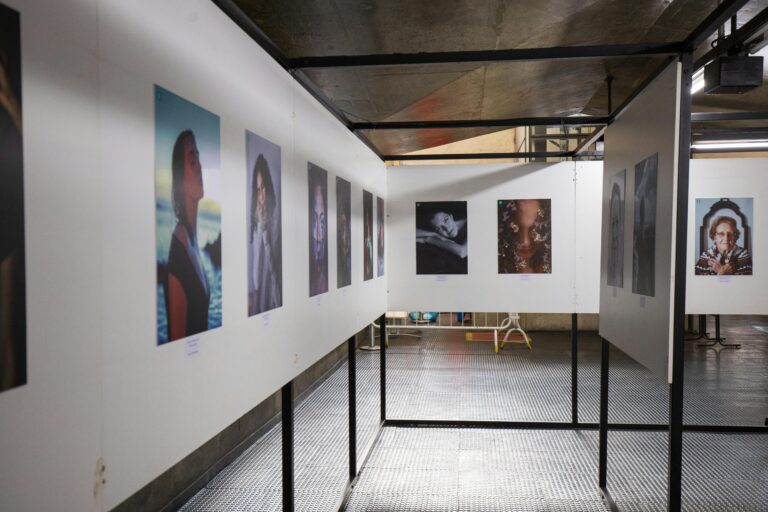
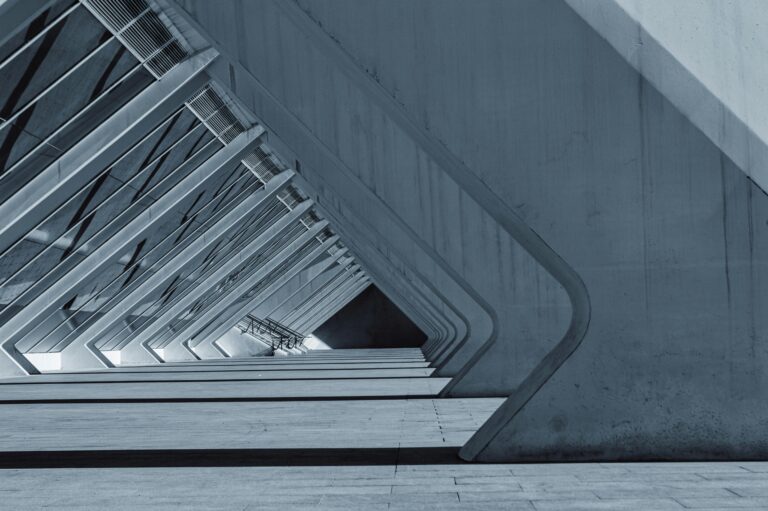
Art has always been more than decoration — it’s a mirror of civilization, a vessel of emotion, and for many investors, a store of value that transcends time. Whether hanging in a museum or traded in private collections, art moves between two worlds: cultural heritage and financial capital. In the 21st century, its role as both an aesthetic experience and an asset class has only deepened, making art one of the most fascinating — and enduring — intersections of creativity and commerce.
Art’s Enduring Appeal Through History
Every era has placed its own value on art. In ancient societies, art was sacred and symbolic. During the Renaissance, patronage turned art into prestige. Today, art functions as both identity and investment — signaling taste, intellect, and wealth. Unlike other assets tied strictly to market forces, art carries intrinsic emotional resonance, which makes it immune to obsolescence.
The financial longevity of art, too, has been remarkable. Works by artists such as Claude Monet or Pablo Picasso not only command astronomical prices but also appreciate over decades, often outperforming traditional asset classes during periods of inflation or market volatility. This durability stems from scarcity — there will never be another Van Gogh — and from meaning, which increases as cultural relevance compounds over time.
The New Landscape: Data and Democratization
Modern technology has transformed how art is discovered and traded. Platforms for fractional ownership now allow investors to buy shares in high-value artworks, broadening access to what was once an exclusive world. Data analytics, once confined to Wall Street, are being applied to art markets to track historical price trends, predict emerging artist trajectories, and identify undervalued works.
This shift mirrors broader digital democratization trends seen in finance: the rise of fintech parallels the rise of “arttech.” Everyone can participate — not just collectors with museum-sized wallets. For those who see art as an investment, this evolution reduces risk and increases transparency, enabling data-driven decision-making in a space historically guided by intuition and connoisseurship.
Still, even with tech’s precision, emotional value remains incalculable. A painting’s significance can surge due to global events, cultural movements, or changing social priorities that algorithms can’t anticipate. In this way, art occupies a unique niche — both quantifiable and intangible, modern yet eternal.
Art as a Hedge and a Human Investment
As investors seek safe havens against inflation and digital volatility, tangible assets such as art are experiencing renewed interest. High-net-worth individuals increasingly allocate portfolios toward physical commodities — fine art, watches, vintage wine — that hold aesthetic and sentimental value alongside economic potential.
Art functions not only as a hedge against currency fluctuation but also as a form of legacy investment. While stocks rise and fall, a painting can hang on a wall indefinitely, appreciating softly through generations. In a time defined by rapid technological shifts, owning art provides continuity — a tactile reminder of permanence in an intangible economy.
The entire seasonal and cyclical nature of markets contrasts sharply with art’s timelessness. Even when trends fade, a well-curated collection grows richer with age, emotionally and monetarily. For family offices and long-horizon investors, art’s resilience makes it an elegant complement to financial diversification strategies.
Cultural Resonance Beyond Economics
Art’s power isn’t limited to wealth accumulation; it shapes societies and narratives. Entire movements — from Impressionism to Abstract Expressionism — arose as reactions to their times, leaving traces of human thought and transformation visible for centuries. In moments of global disruption, art becomes documentation — a record of collective emotion that persists when headlines disappear.
This dual role is what gives art its evergreen value. It doesn’t expire or depreciate in meaning; it evolves. A digital artwork minted today could become just as historically significant as an oil painting from the 18th century if it captures the essence of an era. Artistic mediums may change — from canvas to code — but the cultural function remains constant: to express, provoke, and endure.
The Intersection of Technology and Creativity
The emergence of AI-generated art and blockchain authentication represents another frontier. These innovations challenge traditional definitions of originality and authorship while offering solutions to age-old problems like forgery and provenance tracking. Blockchain allows artworks to carry permanent digital records of their creation and ownership history, greatly reducing fraud risk and increasing collector confidence.
Meanwhile, AI expands creative possibility, producing new visual languages and computational aesthetics. Rather than threatening human art, it amplifies it, prompting conversations about what creativity truly means in an age of automation. Just as photography once revolutionized realism, AI and digital art are reshaping artistic dialogue — not replacing it. This ensures that the art industry remains dynamic, adapting while maintaining its foundational purpose.
Longevity in an Impermanent World
Why is art evergreen while trends fade? The answer lies in its embodiment of human experience. Art captures what economies and technologies cannot quantify: emotion, memory, and imagination. In volatile times, these qualities become increasingly valuable — not only as cultural assets but as psychological anchors.
Corporate offices, private galleries, and even digital screens now curate art not merely for prestige but for productivity and well-being. Studies have shown that exposure to art improves creativity, empathy, and cognitive focus — qualities essential for success in today’s information-saturated world. Consequently, businesses across industries are integrating artistic spaces as part of their identity and employee culture.
Art isn’t simply viewed; it’s lived — and this experiential depth ensures its relevance long after the latest trend, device, or platform disappears.
Investing Emotionally and Intellectually
For readers of financial publications, the takeaway is that art investment is as much about intellect and emotion as it is about returns. Understanding art requires patience, education, and genuine curiosity. Those who buy art solely for financial gain may miss its deeper reward: connection. The most successful art investors are often passionate collectors who blend quantitative research with intuitive vision, reading both the market and the mood of society.
In this sense, art is one of the few domains where authenticity aligns with profitability. The more genuine your engagement, the more enduring your investment — culturally and economically.
Looking Ahead: Art’s Perennial Future
The art world will continue evolving, but its foundations remain solid. Whether expressed through brushstrokes or blockchain tokens, art’s purpose — to reflect humanity — guarantees its permanence. As global wealth transfers to younger, tech-savvy generations who value experiential and ethical investing, art’s appeal grows even stronger. It offers something that digital markets cannot replicate: beauty with depth, investment with soul.
In a world obsessed with speed and speculation, art endures patiently. It waits, ages gracefully, and reminds us that some value transcends time. For both collectors and capitalists, that is perhaps the most timeless lesson of all.
About the Author